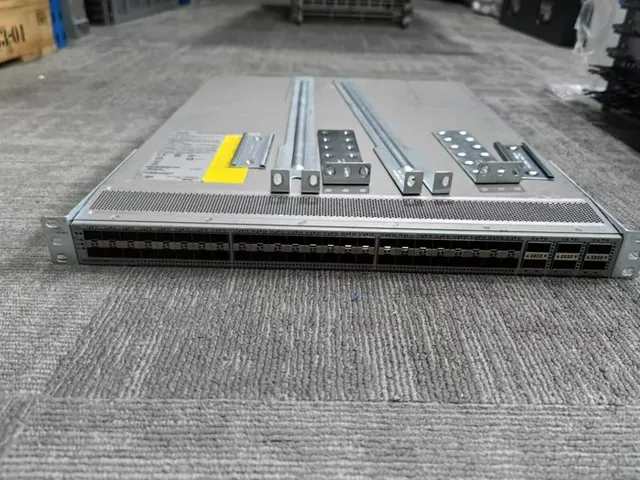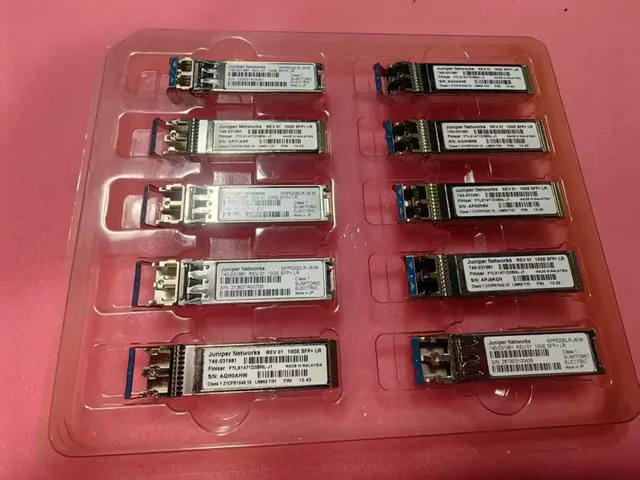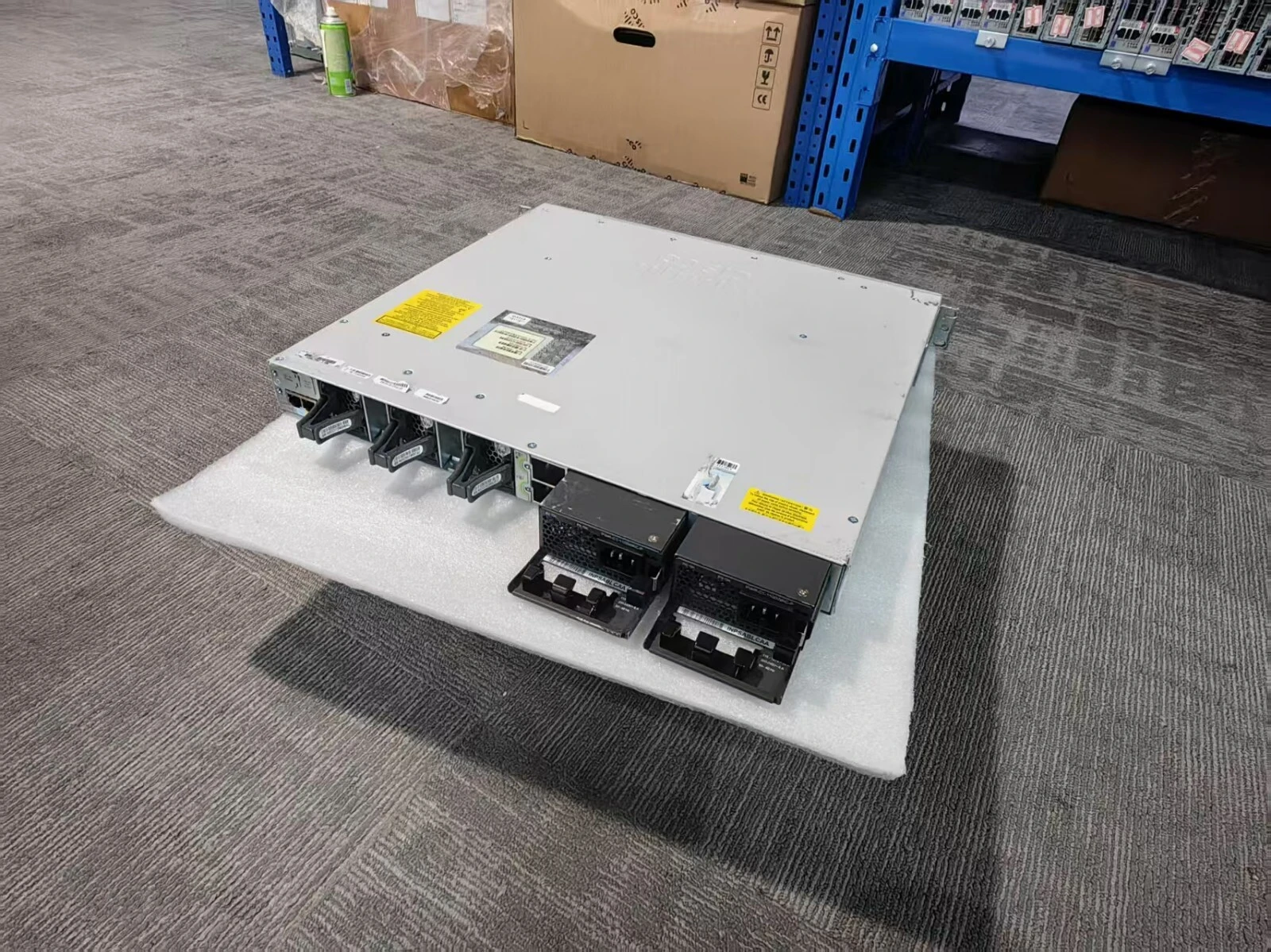
Most fakes give themselves away in four places: the label, the serial number, the inside of the box and what the device says about itself when it boots. None of it needs special tools. A price that is far below everyone else's is not proof of a fake, but it is the best reason to run every check.
The four checks
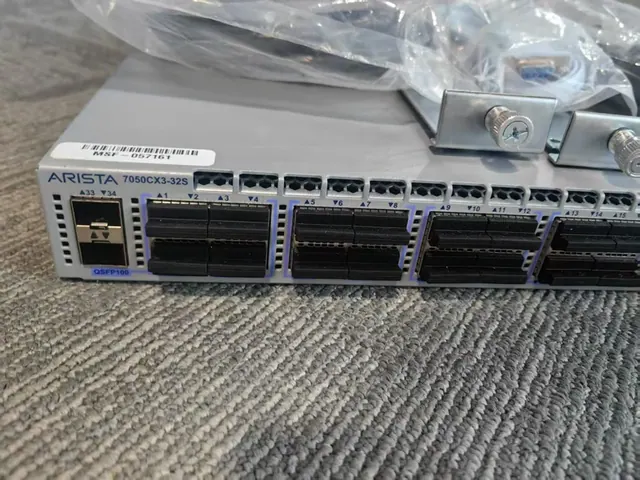
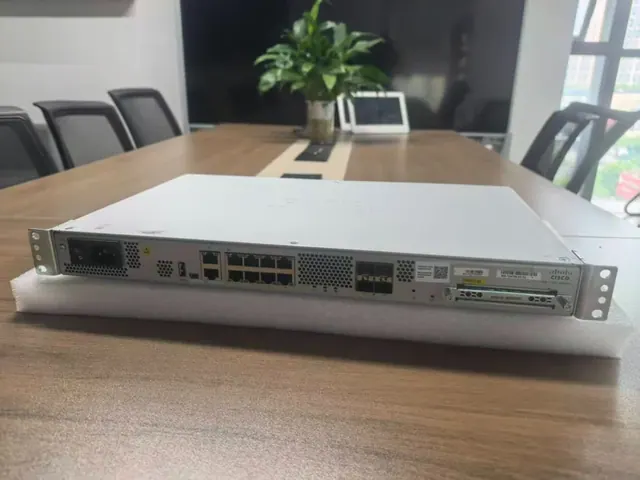
1. The label. Compare it with a photo of a known genuine unit. Look at fonts, spacing, barcode quality and alignment. Many Cisco products carry a holographic security label. A missing, blurry or reused-looking label is a reason to stop.
2. The serial. The serial on the label must match the serial the device reports in software. Mismatches are the most common sign of a relabelled or swapped unit.
3. The inside. If you are allowed to open it, compare boards, heatsinks and build quality with a known good unit. Weight is a surprisingly good tell on optics and power supplies.
4. The boot. Check the reported model, software version, licences and installed optics. A device that claims to be one model and reports another is not what you paid for.
Commands to run on first boot
| Vendor | Hardware and serials | Software |
|---|---|---|
| Cisco | show inventory | show version |
| Juniper | show chassis hardware | show version |
| Arista | show inventory | show version |
Save the output. If anything is off, it is your evidence, and it is the first thing a supplier or the manufacturer will ask for.
Optics are where most fakes hide
Transceivers are small, cheap to copy and easy to mislabel. Check that the vendor and part number the switch reads match the label, and that the optic reports sensible light levels. An optic that only works with a hidden "unsupported transceiver" setting turned on is not the coded part it claims to be.
Buying so you do not have to worry
- Ask the seller for photos of the actual unit, label included, before you pay.
- Ask for the serial numbers and check them against the device on arrival.
- Buy from sellers with a real address, a company number and a written warranty.
- Test everything within the warranty window, not when you finally need it.
Quick answers
How can I check if a Cisco switch is genuine?
Compare the label with a known genuine unit, check the security label where fitted, and confirm the serial on the label matches the output of show inventory.
What command shows the serial number on a Juniper device?
show chassis hardware lists the chassis and component serial numbers.
Are cheap transceivers always fake?
No. Many third-party optics are legitimate and coded for specific platforms. Check that the vendor and part number the switch reads match the label.
Send it with the quantity and we will come back with a price, usually the same working day.