In a leaf and spine network, servers plug into leaf switches and every leaf connects to every spine. That is the whole idea. Any server can reach any other in two hops, and when you need more room you add a leaf, or a spine, without redesigning anything. The maths that decides how many of each you need fits on a napkin.
What it looks like
Leaves never connect to each other, and spines never connect to each other. Traffic from a server on Leaf 1 to a server on Leaf 4 goes up to a spine and straight back down. Because every path is the same length, performance is predictable no matter where a server sits.
The napkin maths
- Spines you can have = uplink ports on each leaf. A leaf with six 100G uplinks can connect to up to six spines.
- Leaves you can have = ports on each spine. A 36-port spine can connect up to 36 leaves.
- Server ports = leaves × downlink ports per leaf.
| Example | Value |
|---|---|
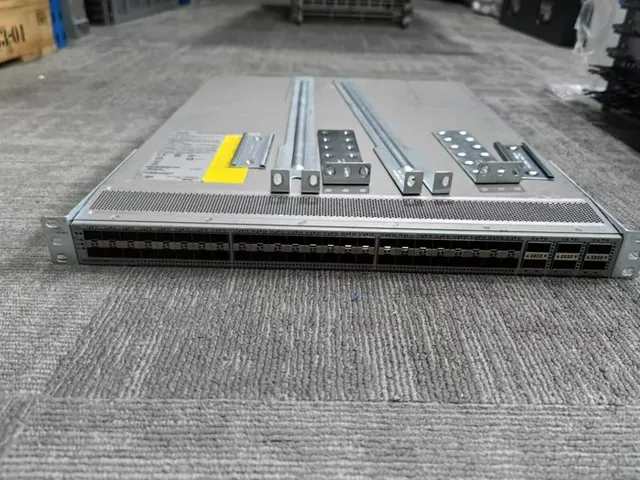
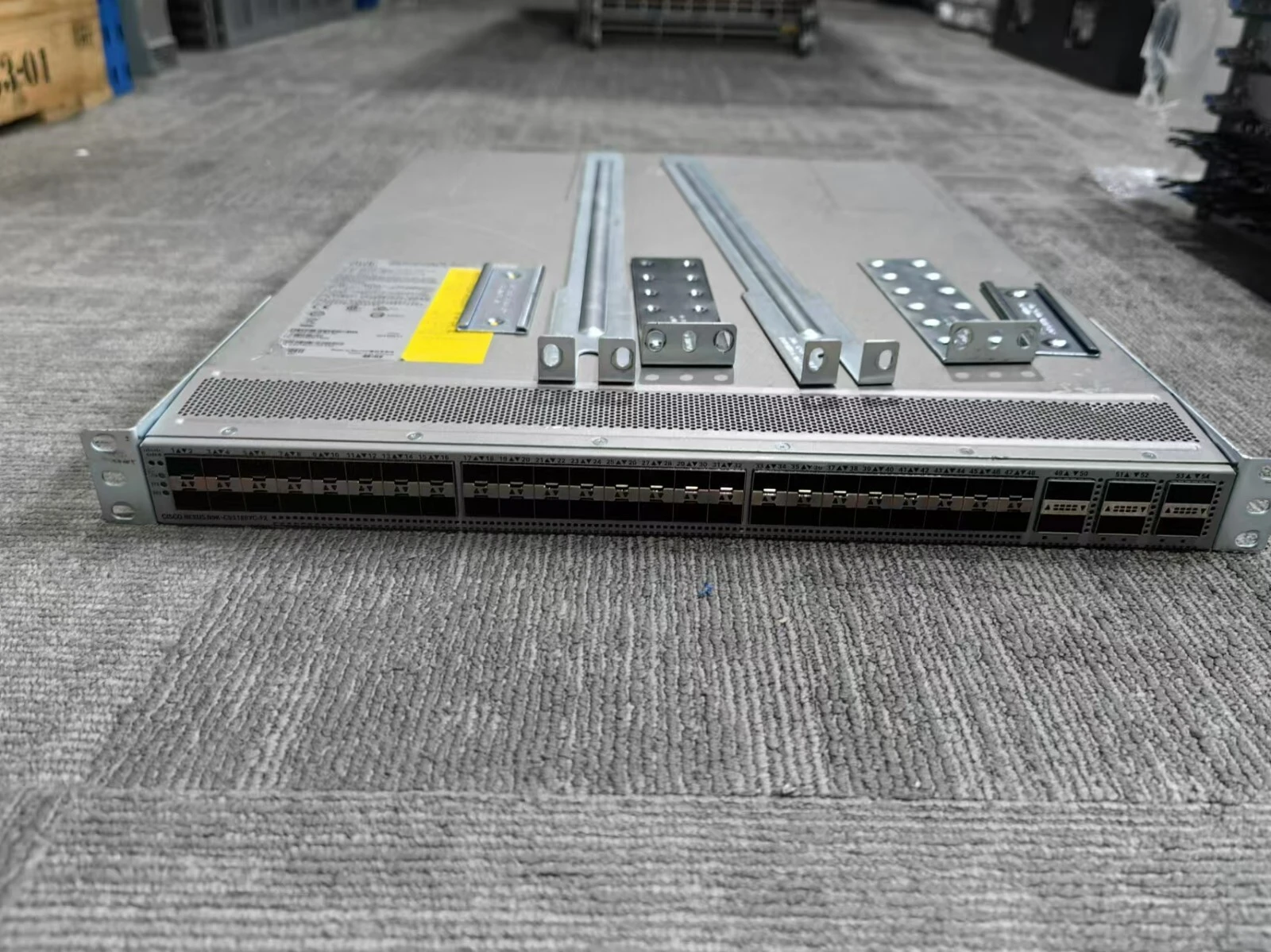
| Leaf | Cisco N9K-C93180YC-FX: 48 x 25G down, 6 x 100G up |
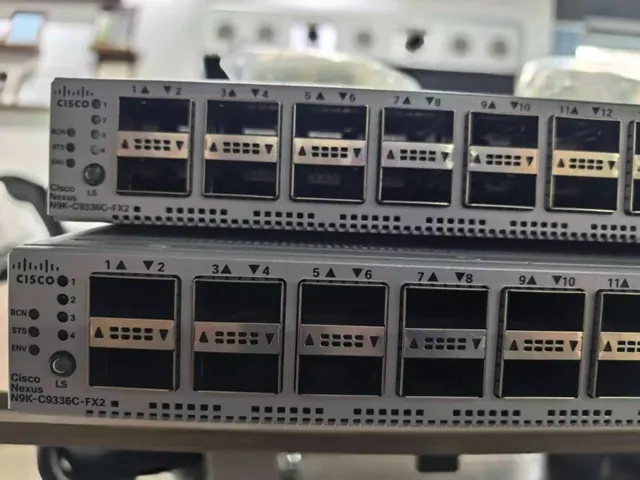
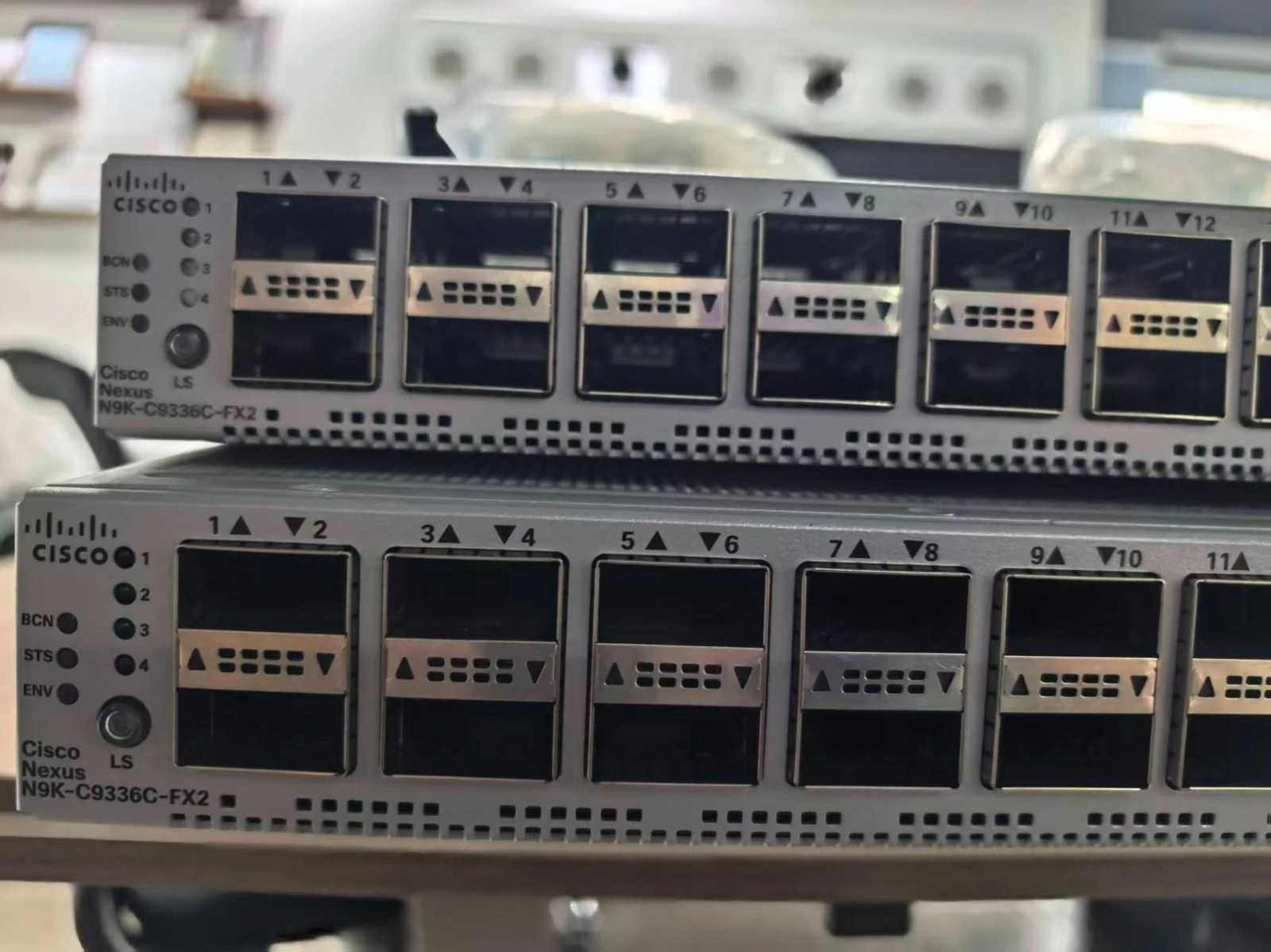
| Spine | Cisco N9K-C9336C-FX2: 36 x 100G |
| Maximum spines | 6, one per leaf uplink |
| Maximum leaves | 36, one per spine port |
| Server ports at full size | 36 x 48 = 1,728 at 25G |
Most networks start far smaller: two spines and a handful of leaves, which still leaves plenty of room to grow.
Oversubscription, in one line
Compare what can come into a leaf with what can leave it. 48 servers at 25G is 1,200G down. Six 100G uplinks is 600G up. That is 2:1, which is comfortable for most business workloads. With four spines, so four uplinks in use, it becomes 3:1. AI training and storage-heavy clusters usually aim for 1:1.
Switches that fit each role
| Role | Typical choice | Examples |
|---|---|---|
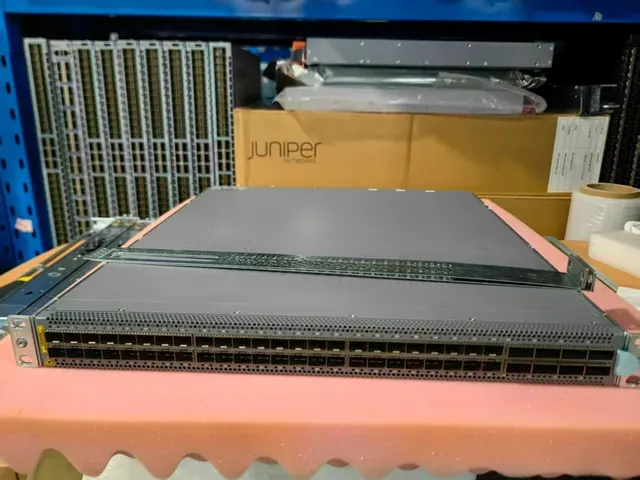
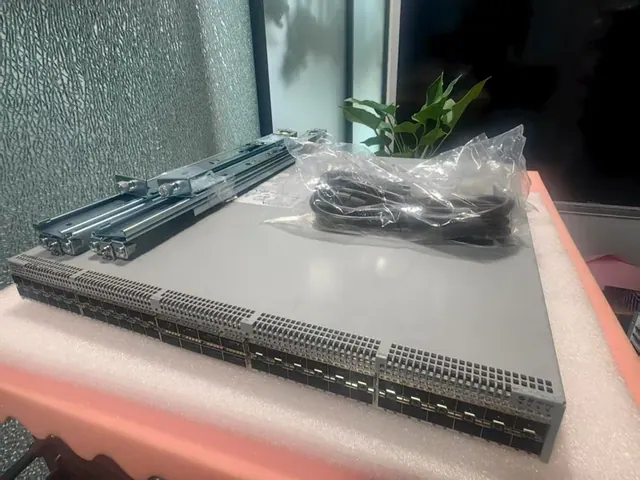
| Leaf | 48 x 10G or 25G down, 6 to 8 x 100G up | N9K-C93180YC-FX, QFX5120-48Y, DCS-7050SX3-48YC8 |
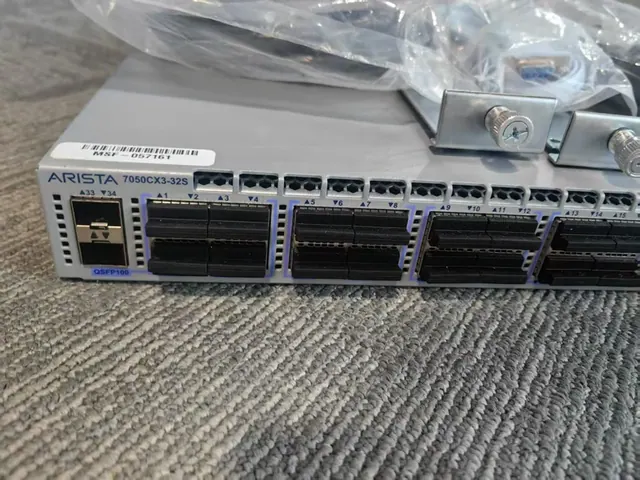
| Spine | 32 to 36 x 100G | N9K-C9336C-FX2, QFX5200-32C, DCS-7060CX-32S |
Keep the spines all the same model, and keep airflow consistent across the rack. Our Arista, Cisco and Juniper guides cover the airflow codes.
Quick answers
What is a leaf and spine network?
A two-layer design where servers connect to leaf switches and every leaf connects to every spine switch, so any two servers are two hops apart.
How many spine switches do I need?
At least two for redundancy. The maximum is the number of uplink ports on each leaf.
How many leaf switches can a spine support?
One per spine port. A 36-port spine can connect up to 36 leaves.
What is a good oversubscription ratio?
Around 3:1 or better is common for general business workloads. AI training and storage clusters often aim for 1:1.
Send it with the quantity and we will come back with a price, usually the same working day.